
Cooking with wine happens to be important to us (obviously), but here's the thing, not all wines belong in your sauce, dish, or even your glass! Some turn bitter when they hit heat. Others can lack depth no matter how long you simmer. As for the one in the grocery store called "cooking wine" with the screw cap in the condiments aisle? It's undrinkable and designed for shelf life, not flavor. Real cooking wines are the same bottles you'd drink, but they don't have to be expensive. The right kind of wine doesn't just add color or a base liquid. It adds acidity, sweetness, and complexity that makes a sauce taste like you've been cooking for hours.
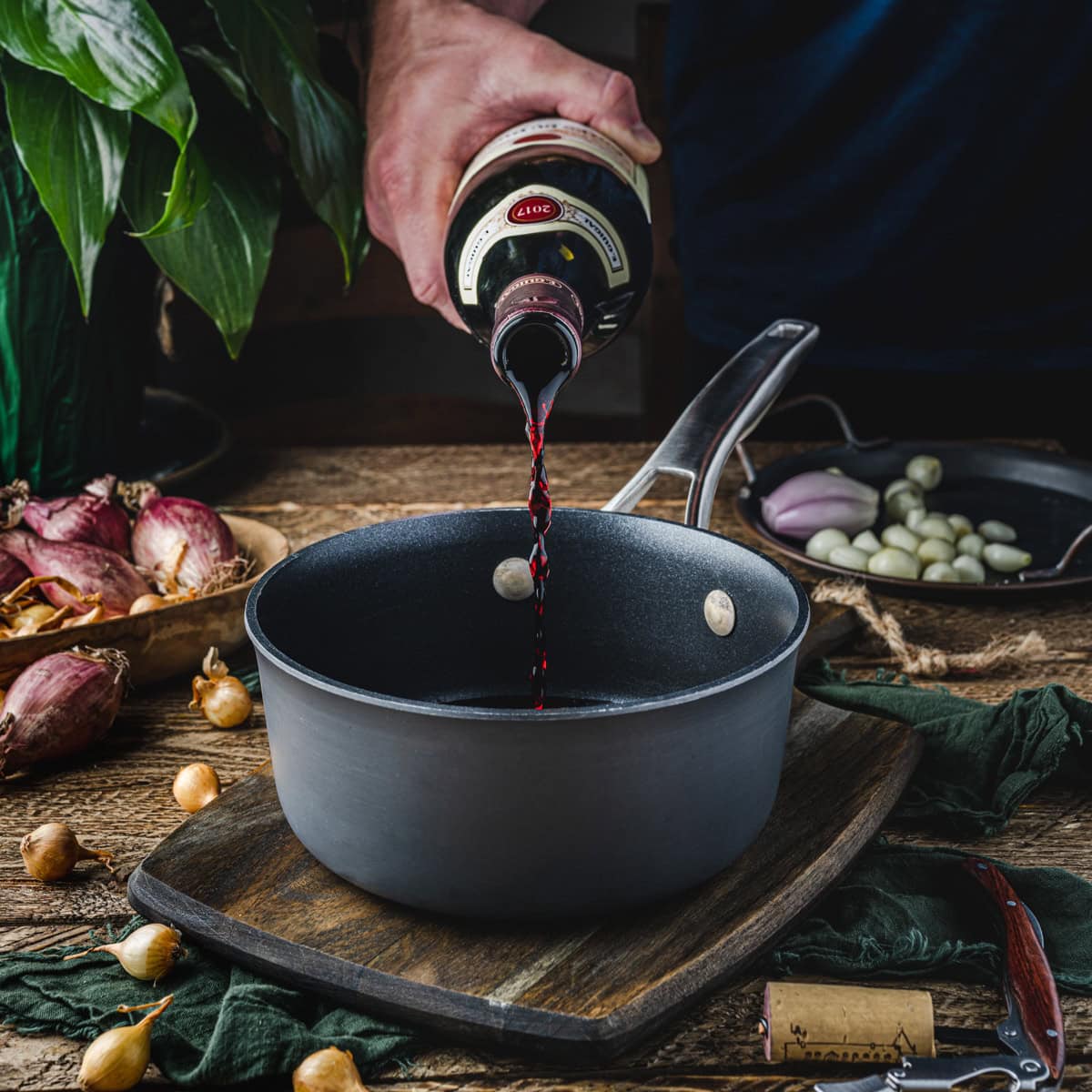
Once you know which wines work where, you start building flavor profiles that are stunning and delicious. To us, wine is one of the most important building blocks for cooking there is.
Jump to:
Best Red Wines for Cooking
Dry red wines bring body, tannins, and depth to anything that braises, simmers, or reduces.
You're not looking for fancy. You're looking for dry, medium-bodied reds that won't turn sweet or sour under heat. Tannins add structure. Fruit adds richness. Acidity balances fat. Together, they create that slow-cooked depth in everything from beef stew to tomato sauce. But they are so much more than just that.
Top picks:
- Cabernet Sauvignon works in rich, meaty dishes like short ribs, pot roast, and beef bourguignon or as a red wine sauce to drizzle over your final dish. A full-bodied red wine like Cabernet Sauvignon is great for red meat dishes in general, especially as a wine reduction sauce or pan sauce. The tannins soften during cooking and the bold fruit holds up to long braises.
- Merlot is softer and rounder, perfect for tomato-based sauces, mushroom risotto, and anything with a lighter protein like pork or chicken thighs.
- Pinot Noir is a go-to for delicate braises and sauces, coq au vin, and dishes where you want wine flavor without overpowering the ingredients.
- Zinfandel adds a hint of spice and jammy sweetness that works well in some sauces, chili, and anything with caramelized onions.

Use red wine early in the cooking process. Add it after browning your protein or aromatics, let it bubble for 30 seconds to cook off the raw alcohol, then add your stock or tomatoes. Generally you don't want to reduce red wine too much on its own or it can have some hints of metallic taste and can be sharp. Red wines are best paired with a fat, hearty stock, or tomatoes to balance the tannins as it concentrates. There are many other dry wine blends and grape varieties (such as sangiovese, syrah, and tempranillo) that also are fantastic cooking wines. A little wine goes a long way, and you don't want to add too much wine and risk ruining a great dish.
Our Favorite Recipes with Red Wine
Here are a few recipes to try that use red wine:


Best White Wines for Cooking
White wine is all about brightness and balance.
It cuts through cream, really helps seafood, and adds a clean acidity that makes buttery sauces stand out. But there can be pitfalls. If you grab something sweet or oaky, it can really hurt the dish. You want crisp, dry white wine with high acidity and no sweetness. White wines, in general, are known for having floral or citrus notes and those can all be wonderful when cooking.
Go-to bottles:
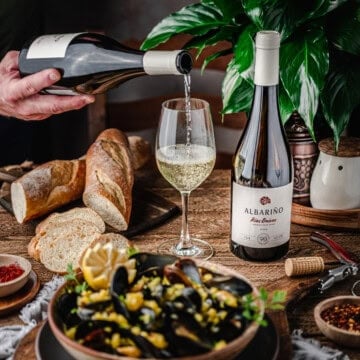
- Sauvignon Blanc brings sharp acidity and citrus notes. We use it in seafood pasta, pan sauces for white fish, or anything with garlic and herbs. It's especially good in white wine sauces served with shellfish like oysters, mussels or clams. California vs. New Zealand vs. France is always interesting with sauvignon blanc as they are distinctly different interpretations of the same grape but all work well!
- Pinot Grigio is lighter and more neutral, which makes it perfect for risotto, a light cream sauce, and chicken piccata. It adds subtle and wanted acidity without overpowering delicate flavors.
- Chardonnay works in creamy dishes like alfredo, lobster bisque, and anything with butter or heavy cream. However, we almost always avoid oaked versions as it brings too much of an undesirable woody flavor with it.
- Dry Vermouth is a fortified wine that has herbal complexity and works in cream sauces or a butter sauce quite well. Vermouth is a nice alternative to white wine when you want more of a bold herbal influence.
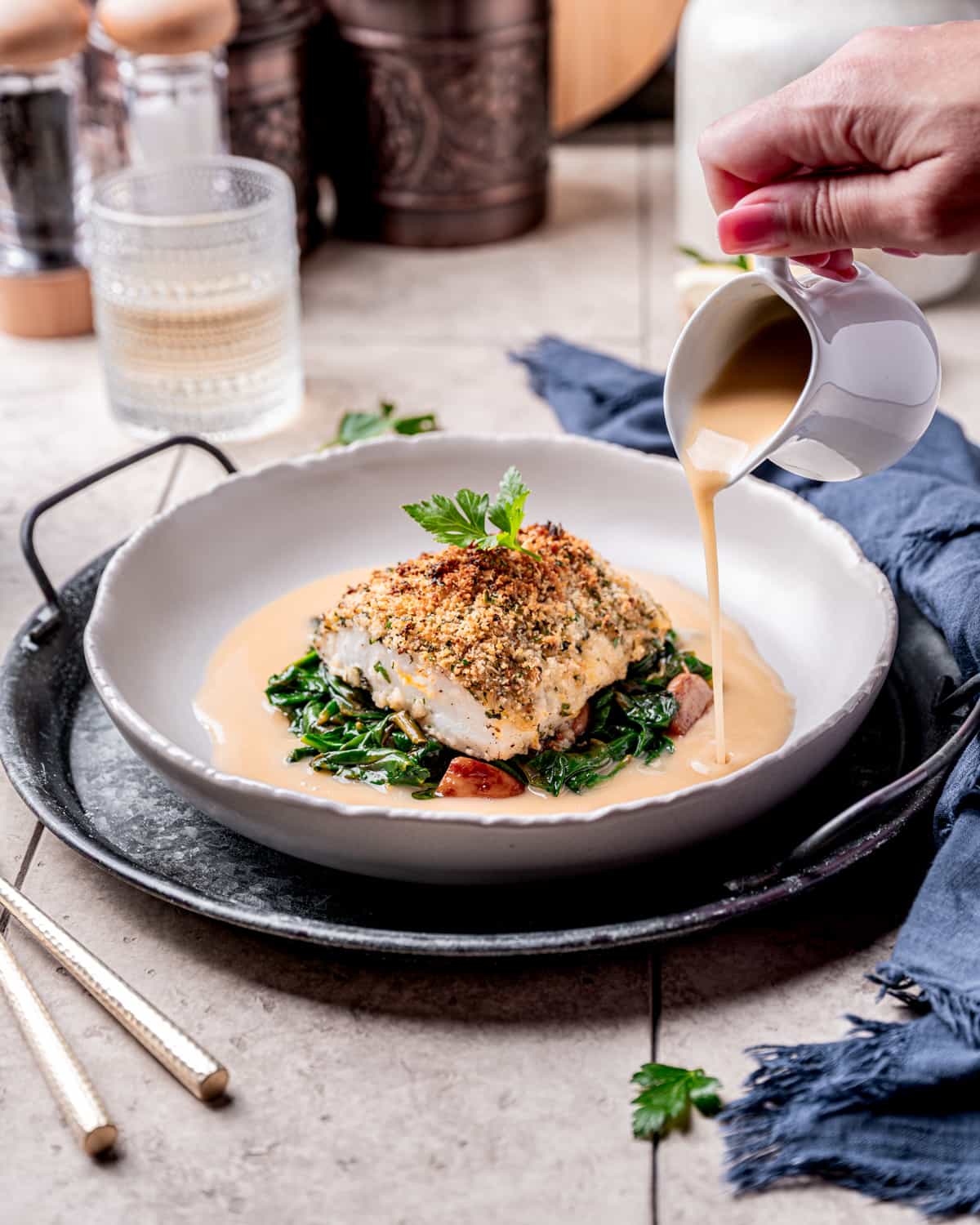
Add white wine after your aromatics are softened but before your liquid or cream. Let it reduce by half so the alcohol cooks off and the acidity concentrates. This is what gives pan sauces that glossy, restaurant-quality finish.
If your white wine sauce tastes flat, it probably needs salt, butter, or a squeeze of lemon juice at the end. White wine adds acid, but it won't add much richness.
Our Favorite Recipes with White Wine
Here are a few recipes to try that use white wine:


Fortified Wines
Fortified wines are wines that have added spirits, such as brandy, which provides more stability to the wine for a longer self-life and gives them higher alcohol content. Some examples of fortified wines are Port, Madeira, Marsala, Sherry and Vermouth. Fortified wines are fantastic in a variety of savory recipes as well as desserts.
Cooking with fortified wines follows the same basic rules as cooking with regular drinking wine, and each type changes the flavor of the dish in different ways.
Here are a few recipes using fortified wines:
- Chicken Marsala using Marsala wine in the mushroom sauce.
- Pan Seared Duck with Cherry Port Sauce. A sweeter sauce, especially with fruit, is fantastic with duck breasts, and using a Port wine here is a great option.
- Martini Chicken with Homemade Olive Tapenade. This martini chicken recipe has a buttery sauce made with dry white vermouth.

Wines You Should Not Cook With
If it tastes bad in the glass, it will taste even worse when you cook with it because you'll inevitably be reducing it and concentrating the flavors. And since cooking concentrates flavor, every bad part of a wine gets amplified. Oxidized wine turns sour. Sweet wine caramelizes in a way that isn't desirable in savory dishes. Super tannic wine gets bitter and astringent. And anything labeled "cooking wine" at the grocery store is usually loaded with salt and preservatives to extend shelf life!
Skip these completely:
- "Cooking wine" in a bottle with a screw cap from the vinegar aisle. It's salty, tastes like nail polish, and instead of adding, it will most certainly subtract from your dish.
- Sweet wines like Riesling, Moscato, or White Zinfandel. Unless the recipe specifically calls for sweetness, these will make your sauce taste like dessert. So avoid using these in savory dishes.
- Oaked Chardonnay in delicate dishes. The vanilla and butter flavors from oak intensify when you cook and can overpower lighter proteins or vegetables.
- Old, oxidized wine that's been open for weeks. If it smells like vinegar or tastes off, toss it. Cooking makes it worse. And having a bottle of wine open for weeks is crazy in itself!
The one exception: If you happen to have leftover wine that has been open for three to five days and still smells okay, you can cook with it. Just taste it first. If you wouldn't drink it, don't stir it into your sauce or dish.
Your food will only taste as good as the ingredients you use. Wine is not only an ingredient, it's a very important one.
Cheap Wine vs Expensive Wine for Cooking
You do need a drinkable bottle of wine to cook with, but it can still be quite inexpensive. The sweet spot for a good quality wine for cooking is between $8 and $15. In that range, you're getting real fruit, balanced acidity, and clean flavor without paying for a fancy label or a specific vintage. Anything more expensive is quite unnecessary as you're cooking off the nuanced things in premium wine that make it expensive in the first place. Just think of it this way: If you'd pour a glass and enjoy it with dinner, it's good enough to cook with. If not, it doesn't belong in your food.
You can always use what you need for cooking and drink the rest with the meal. Or keep a few affordable, dry wines in your pantry specifically for the kitchen. Almost any grocery store will carry solid cooking-friendly bottles for around $10.

When to Add Wine to Your Sauces
Timing is important when you're cooking with wine. If you add it too early, the flavor can be masked and the impact is diminished. Add it too late and it tastes raw and boozy. The goal is to let the alcohol cook off while the wine's acidity and fruit integrate into the finished dish. That usually takes at least five minutes of simmering, but it depends on the recipe.
The order that works for best results:
Brown your protein or sauté your aromatics first. You want fond (those browned bits) stuck to the bottom of the pan. Wine is what lifts them.
Add the wine and crank the heat to medium-high. Let it bubble hard for 30 to 60 seconds. This burns off the alcohol and starts the reduction.
Scrape the bottom of the pan with a wooden spoon. All that stuck-on flavor dissolves into the wine and becomes the base of your sauce.
Let it reduce by at least half before adding stock, cream, tomatoes or whatever else you're using. This concentrates the wine and removes the harsh edge.
Simmer everything together for at least 10 minutes. This is where the magic happens. The wine integrates while the flavors marry, and the sauce thickens.
For braises and stews, add wine early and let it cook for hours. The long simmer breaks down the tannins in red wine and creates that deep, velvety richness. For quick pan sauces, add it right after your protein comes out of the pan and reduce it fast before finishing with butter or cream.
Top Tip
If your wine-based sauce still tastes too acidic or wine-forward at the end, add a little bit of butter, which will round out the sharpness and add some flavor.
Cooking with wine isn't about following rules but it's about understanding what wine does in a pan, which bottles won't let you down, and when to add them so they actually make your food better. It doesn't just add liquid. It adds complexity, balance, and depth that water and stock will not accomplish in the same way.
FAQ
We really like to use a wide variety of wines to make a delicious sauce. Be simplistic in how you approach this choice. If you want a heavier bolder sauce, use a bolder wine, like petit syrah or cabernet sauvignon. If you want something lighter and less aggressive, think of the lighter wines you can turn to, such as pinot noir
We love sauvignon blanc, pinot grigio, unoaked chardonnay, and even rosé from Provence!
Inexpensive is the key word. You shouldn't have to spend more than $15 on a bottle of wine that you're going to cook with! But always make sure it is a wine you would drink before using it in your recipe.
Related
Looking for other recipes using wine? Try these:





Leave a Reply