
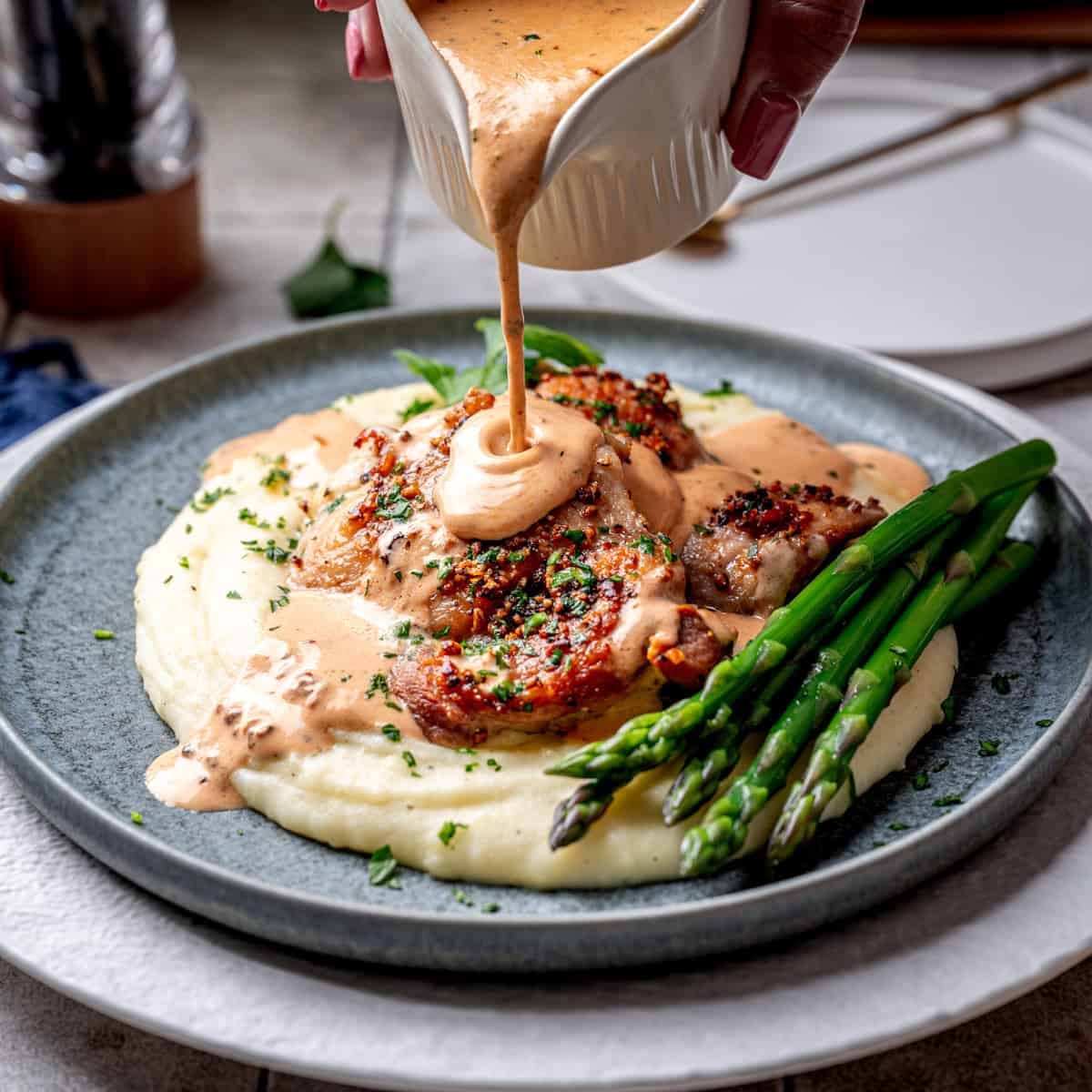
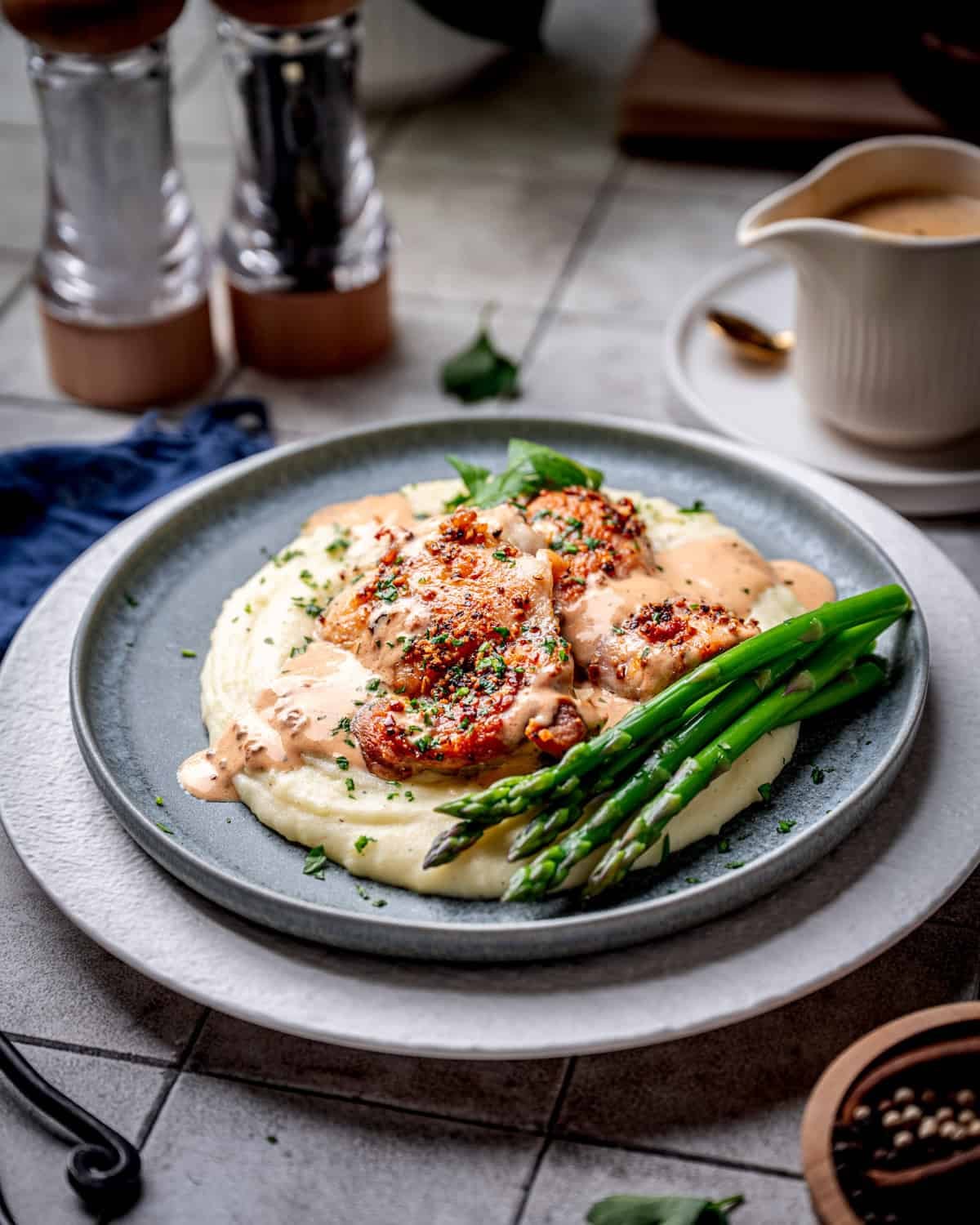
You know that moment when you want something impressive but you also need to eat in under 45 minutes? This just might be the dish. If you've been making the same rotation of chicken dinners and need something that feels like an occasion without the Sunday dinner effort, give this a try! Chicken au poivre is absolutely delicious! You're taking chicken thighs, coating them in cracked peppercorns, searing them hard, then building a brandy cream sauce in the same pan. The flavors are bold and deeply savory in a way that makes plain chicken feel like a totally different ingredient.
Looking for more dishes like this? Here is the classic version of Steak au Poivre. Or try out our Coq au Vin or Chicken with Mushroom Marsala Sauce (Pollo al Marsala) for other delicious chicken dishes.
Jump to:
- Why You'll Love this Recipe
- History and the Evolution of Chicken au Poivre
- Why This Recipe Actually Works
- How to Make Chicken au Poivre
- Ingredients
- Equipment
- Step-by-Step Instructions
- How to Know When It's Perfect
- Variations and Substitutions
- Storage
- Turn Leftovers into a New Dish
- Top Tips from the Pros
- What to serve with Chicken au Poivre
- What Wines To Drink with Chicken au Poivre
- FAQ
- Related
- Pairing
- 📖 Recipe
Why You'll Love this Recipe
- Easy preparation with big flavor
- Goes with pretty much every side dish you can imagine
- Great way to use tender chicken thighs
- Comes together quickly, making this a great weeknight choice
- Flambé the brandy for a little show!
History and the Evolution of Chicken au Poivre
Steak au poivre is the original recipe that made its way into French bistros in the early 1900s. An au poivre recipe is a simple but also elegant way to serve beef: coat it in cracked pepper, sear it hard, deglaze the pan with brandy or cognac, and finish with cream. The peppercorn crust gave it texture and a nice flavor bite. The flambé added drama and depth. The cream sauce made it rich without being heavy.
Chicken au poivre came later, once home cooks and smaller restaurants started adapting the technique to something more affordable and weeknight-friendly. Chicken is leaner than steak and needs to be cooked more, so the timing is different. The bold use of peppercorns and the amazing sauce are what give the lean chicken a massive flavor boost.
This version keeps that spirit but uses a mix of white, black, and green peppercorns to add more complexity. White pepper brings a clean, sharp heat. Black pepper adds the familiar bite and a little smokiness. Green peppercorns, which go into the sauce, are fresher and herbaceous in a way that enhances the sauce. Together, they make the dish taste more layered than a single pepper variety would. It's fun bistro cooking: simple ingredients, big flavor.
Why This Recipe Actually Works
- First, you're using boneless, skinless chicken thighs. Thighs have more fat and connective tissue than breasts, which means they stay juicy even when you sear them hard. You can get a better crust without overcooking the meat. Removing the skin keeps the dish from becoming greasy and lets the peppercorn crust make direct contact with the meat.
- Second, you're pressing the peppercorns into the meat before it hits the pan. If you just sprinkle them on top, half of them fall off during the sear. Pressing them in creates a crust that gets toasted, which brings out the aromatic oils in the pepper. That's what gives you the deep, warm spice instead of just surface-level heat. The pepper that does fall off in the pan adds a nice spicy kick to the peppery pan sauce, so it's ok to lose a few peppercorns as the chicken cooks.
- Third, the flambé isn't just for show. When you light the brandy, you're burning off the raw alcohol and leaving behind the caramelized, fruity, oaky flavors that make the sauce taste complex instead of boozy. If you skip the flambé and just let the brandy simmer, it takes longer to cook off and the sauce ends up tasting sharper and less balanced.
- Fourth, the sauce uses crème fraîche, heavy cream, and a small bit of Dijon mustard. Crème fraîche has a slight tang that keeps the sauce from feeling flat. Heavy cream adds body and richness. Dijon brings acidity and flavor and also helps bind the sauce. Together, they create a sauce that clings to the chicken and tastes layered instead of one-dimensional.
- Fifth, you're building the sauce in the same pan you cooked the chicken in. All those browned bits stuck to the bottom are packed with flavor. When you deglaze with brandy and then add the liquid, those bits dissolve into the sauce and give it a classic depth of flavor.
How to Make Chicken au Poivre
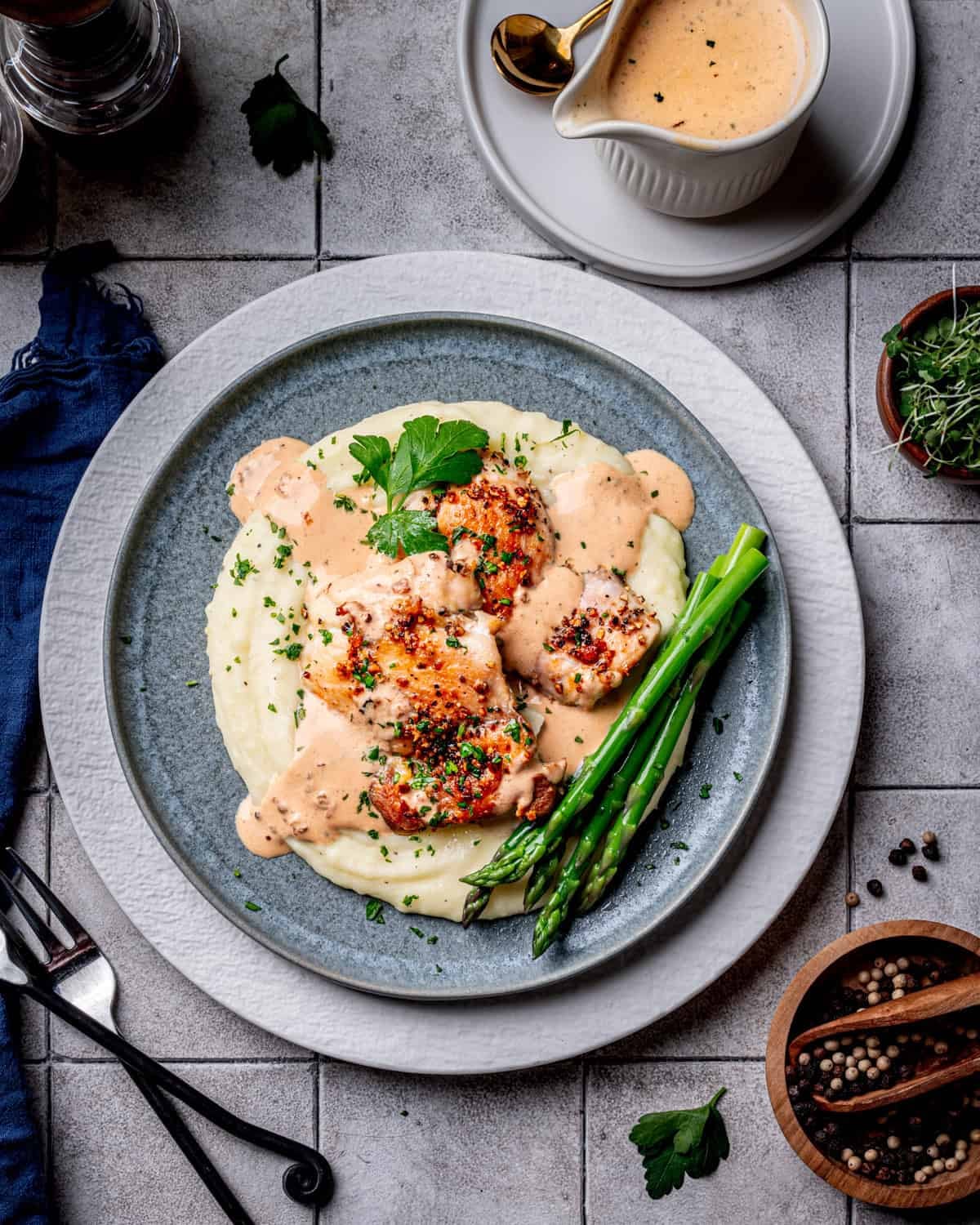
This is as simple as cooking the chicken then making the sauce in the same pan. Add the chicken back at the end and serve a perfectly prepared bistro meal!
Ingredients
- Chicken thighs: Boneless, skinless thighs are the ideal choice here. The dark meat has enough fat to stand up to high heat without drying out, which is key. Removing the skin prevents greasiness and lets the peppercorn crust adhere directly to the meat. You'll want 4 to 6 thighs depending on size.
- Kosher salt: Season the meat before the pepper goes on. We use kosher salt because the larger crystals distribute more evenly and are easier to control than fine table salt.
- White peppercorns: These are black peppercorns with the outer hull removed. They taste sharper and cleaner, with less of the earthy, woody flavor you get from black pepper.
- Black peppercorns: They bring a warm, slightly smoky heat and a more complex aroma than white pepper. Coarsely grind them yourself right before you cook.
- Ghee: Ghee has a higher smoke point than butter, so you can sear the chicken at a higher heat without the fat burning. It also adds a nutty richness that regular oil doesn't.
- Shallot: Shallots are sweeter and more delicate than onions, which is what you want here. Mince the shallot finely so it melts into the sauce instead of sitting in chunks.
- Brandy: This is what gives the sauce its unique flavor. Cognac is traditional and will give you the most classic flavor, but any decent brandy works. You're flambéing it, which burns off the alcohol and concentrates the fruity, oaky flavors. If you don't have brandy, a good quality whiskey works well here too.
- Crème fraîche: This is thicker and tangier than sour cream, with a higher fat content that won't curdle when you heat it. It gives the creamy peppercorn sauce body and a subtle tang that keeps it from tasting flat. If you can't find it, you can substitute sour cream, but add it off the heat and whisk it in gently to avoid curdling.
- Chicken stock: This thins out the sauce and adds some flavor.
- Heavy cream: This adds richness and helps the sauce cling to the chicken. We always recommend using low sodium to control the salt content.
- Dijon mustard: Just half a teaspoon, but it adds acidity and a tiny bit of sharpness without tasting like mustard. Don't use yellow mustard!
- Fresh thyme: Use fresh thyme sprigs if you can, which will have a brighter flavor than the dried variety.
- Ground green peppercorns: These are soft, briny, and slightly herbaceous. They add a different kind of heat that's more aromatic and less sharp than black peppercorns.
- Parsley: This is purely for color and a tiny bit of freshness at the end. Chop the fresh parsley finely and sprinkle it over the plated chicken.
Equipment
You don't need much but the few things you do need matter.
- A large skillet, preferably stainless steel or cast iron. Nonstick won't give you the fond you need for the sauce, and it's not recommended to flambé in a nonstick pan. Stainless is ideal because it creates great browning and you can see the fond clearly. Cast iron works too, but it holds heat aggressively, so you might need to lower the temperature slightly to avoid overcooking the chicken.
- A mortar and pestle or a zip-top bag and a mallet or rolling pin. You want coarsely ground peppercorns. If you have a mortar and pestle, crush the peppercorns until they're broken into uneven chunks. If not, put them in a zip-top bag and whack them with a rolling pin or the bottom of a heavy pan.
- Tongs and a whisk. Tongs let you flip the chicken without piercing it and losing juices. A whisk helps you incorporate the sauce ingredients smoothly and scrape up the fond without scratching the pan.
- A long lighter or long matches. If you're flambéing, you need a way to light the brandy safely from a distance. Don't use a short lighter or you'll singe your knuckles.
- A meat thermometer (instant-read thermometer) to temp the chicken (optional but recommended).
If you don't want to flambé, you can skip it and just let the brandy simmer for a couple of minutes to cook off the alcohol. The sauce won't have quite the same depth, but it'll still be good.
Step-by-Step Instructions
Prep the Chicken
- Pat the chicken thighs dry with paper towels. Make sure the chicken is of even thickness. If not, gently pound the chicken thighs until they're around ¾" thick all the way across. Sprinkle both sides of the chicken with salt, then coat the chicken in the coarsely ground black and white pepper. Press the pepper into the chicken so it sticks.
Cook the Chicken
- Heat a large skillet (cast iron or stainless) over medium heat and add the ghee. Once it's melted and shimmering, lay the chicken thighs in the pan and cook for about 6-7 minutes per side. The chicken should be cooked all the way through at this point and nicely browned on both sides (internal temp should be around 180°F). Remove the chicken from the skillet to a plate and cover with foil.
Make the Sauce
- Dab the pan with a paper towel to remove excess ghee if necessary, but do not wipe the pan down completely. Add the minced shallot to the pan and cook, stirring, for about 2 minutes, until the shallot is soft and translucent but not brown.
Flambé the Brandy
- Turn off the heat and allow the pan to cool slightly (about 1 minute). Carefully pour in the brandy from a measuring cup (NEVER POUR FROM THE BOTTLE). If you're using a gas stove, the fumes might ignite on their own when you turn the heat back on. If you're using an electric cooktop, use a long lighter if the brandy does not light on its own to carefully ignite the brandy. The flames will shoot up and then die down as the alcohol burns off. This takes about 10-20 seconds.
- Alternatively, if you do not want to light the brandy on fire, you can allow the brandy to simmer in the pan for a few minutes to cook off the alcohol.
Finish the Sauce, Plate and Serve
- Once the flames are completely out, turn the heat back to medium-low. Add the crème fraîche, chicken stock, heavy cream, dijon mustard, fresh thyme, and green pepper. Whisk everything together, scraping up the browned bits (fond) stuck to the bottom of the pan.
- Let the sauce simmer gently on low for about 10 minutes, whisking occasionally. It should thicken to the point where it coats the back of a spoon. If it's too thick, add a splash of chicken stock. If it's too thin, let it simmer a little longer.
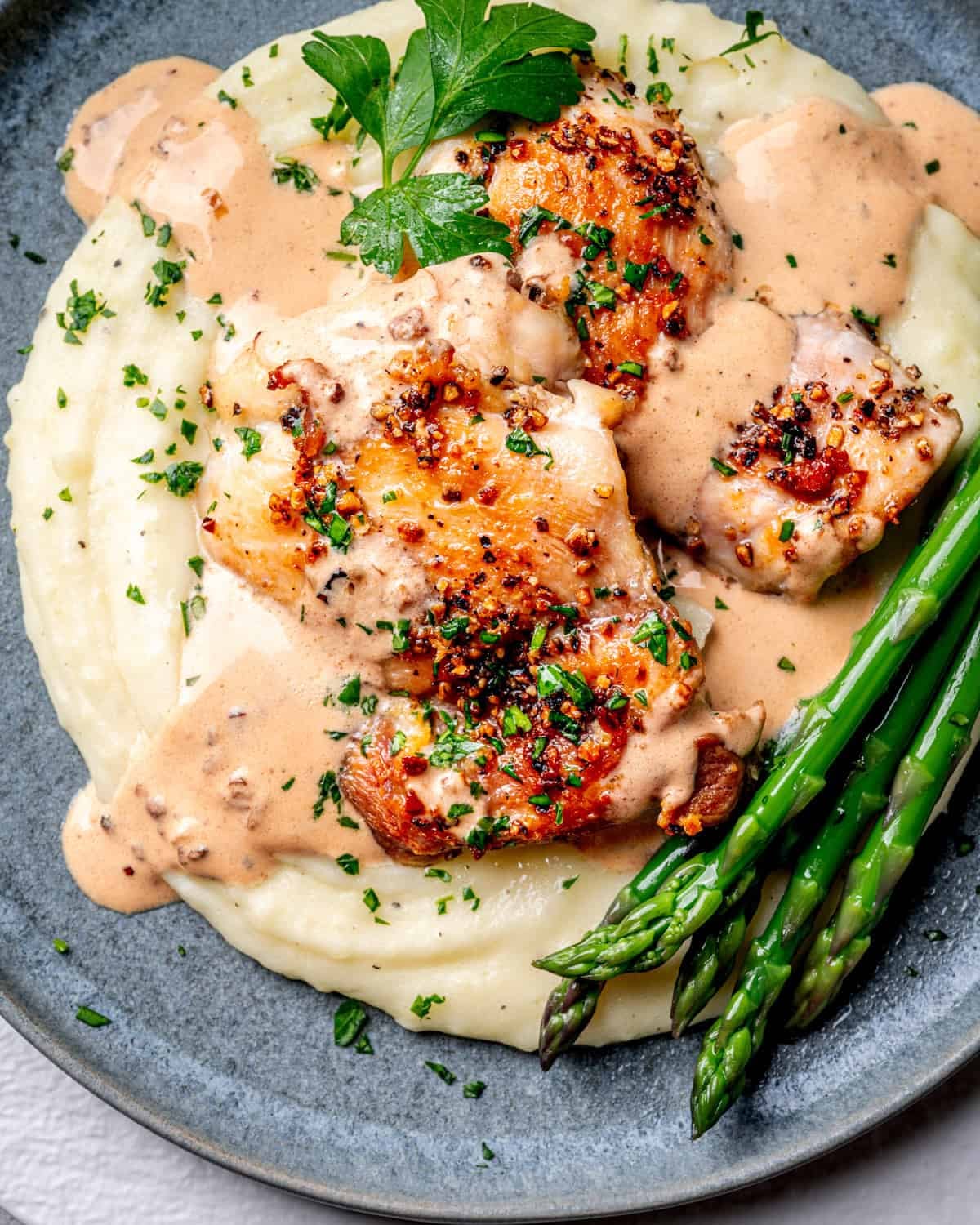
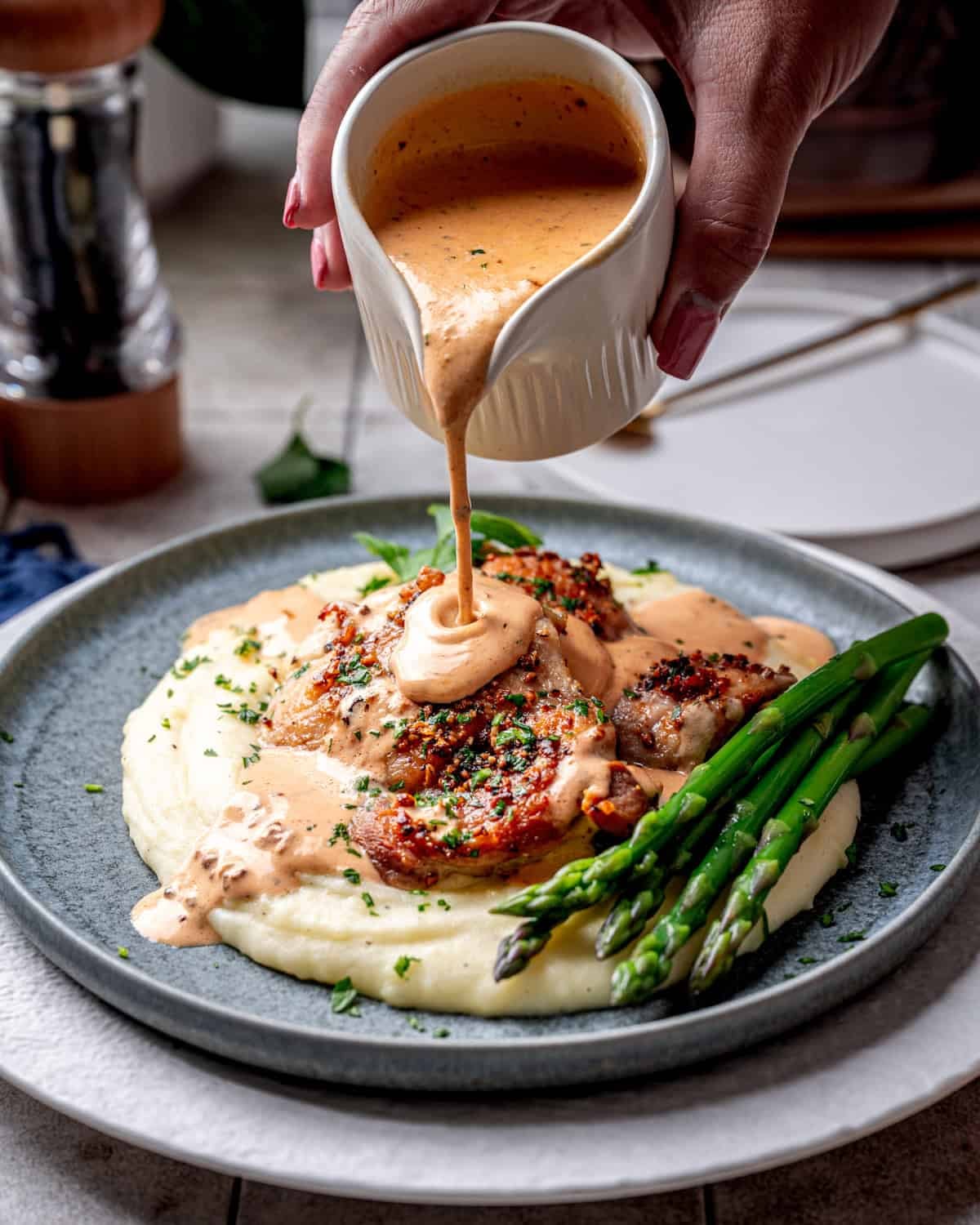
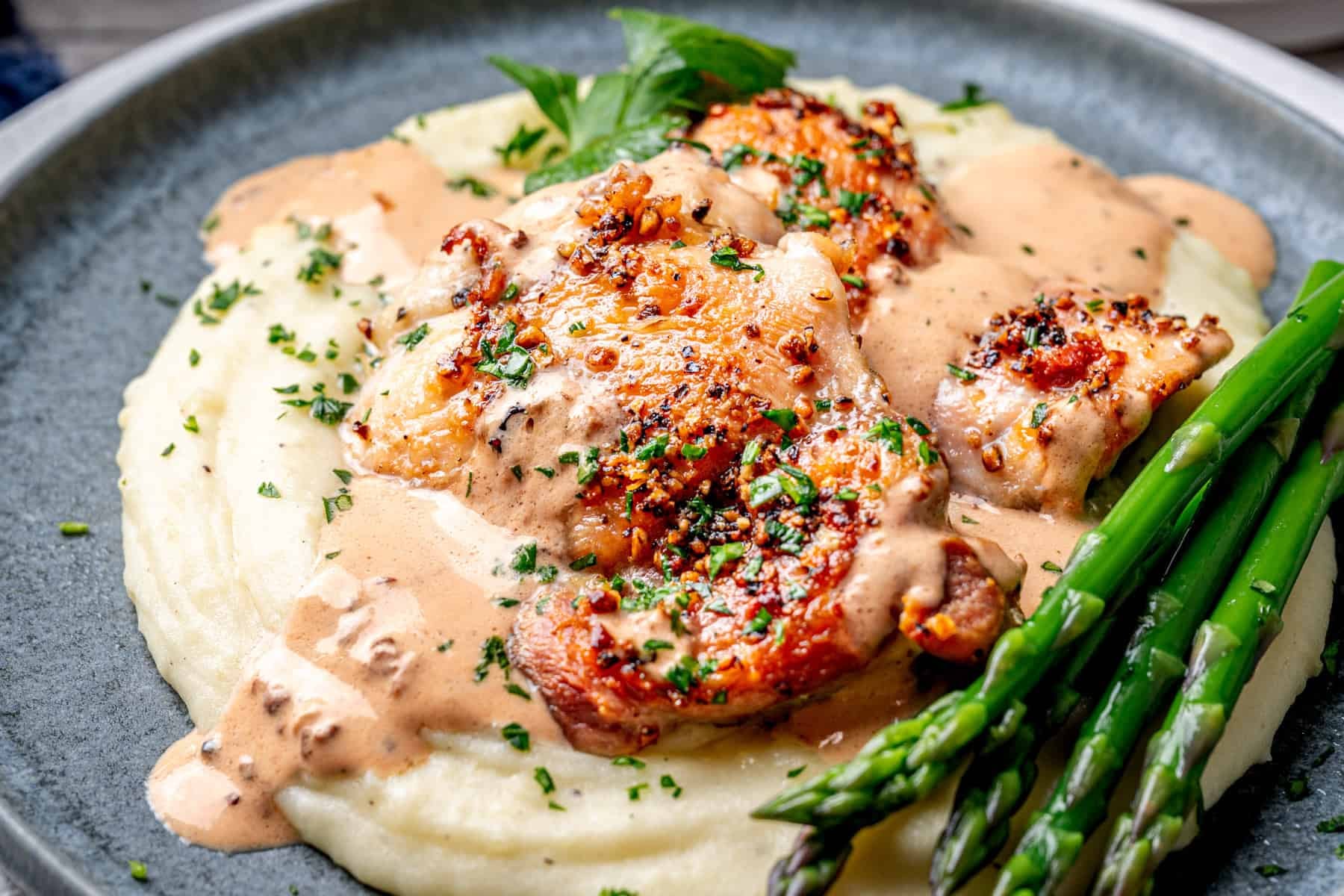
- Taste for seasoning and add extra salt to taste if desired, then add the chicken back to the dish and coat in the sauce. Plate and sprinkle with finely chopped parsley.
How to Know When It's Perfect
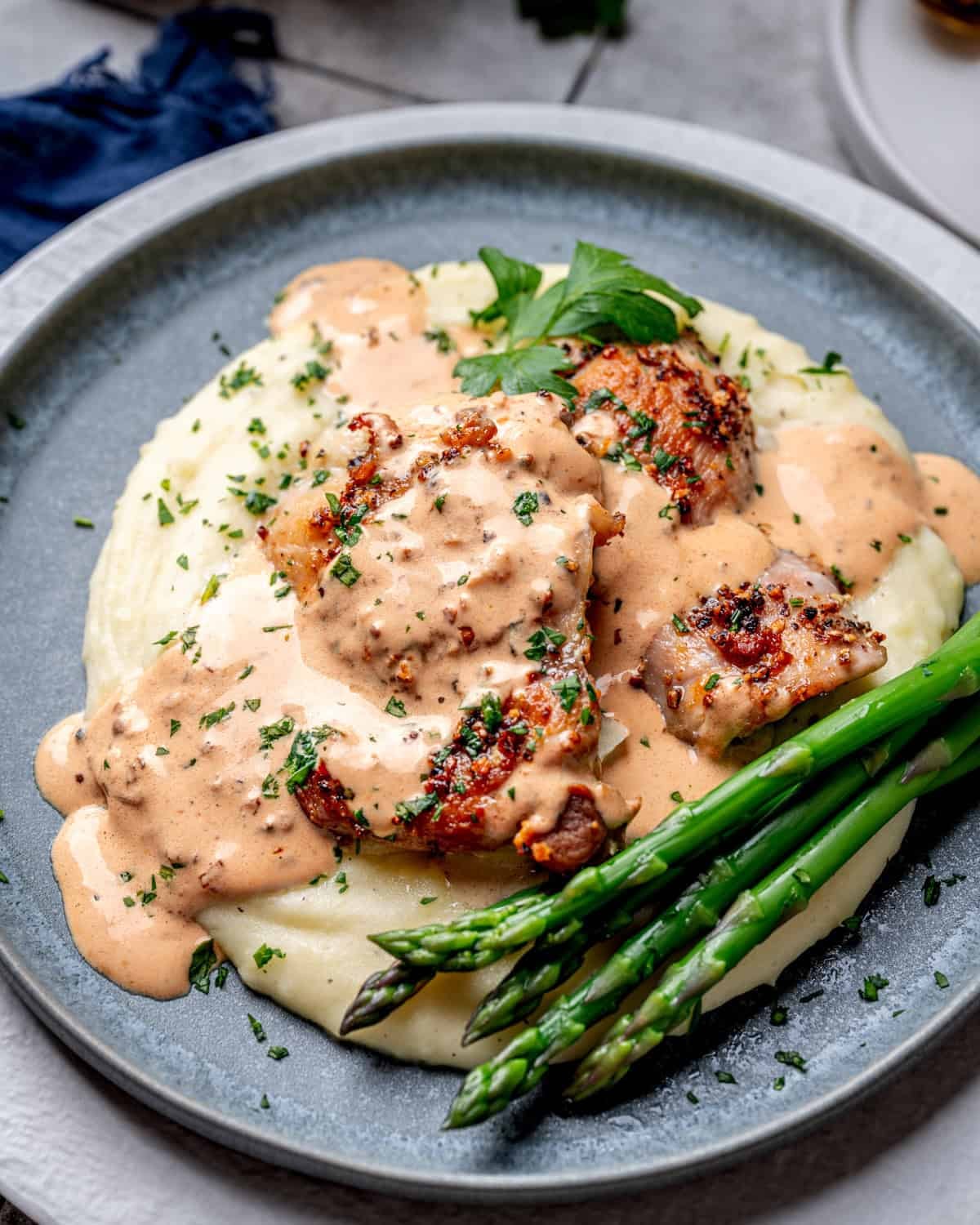
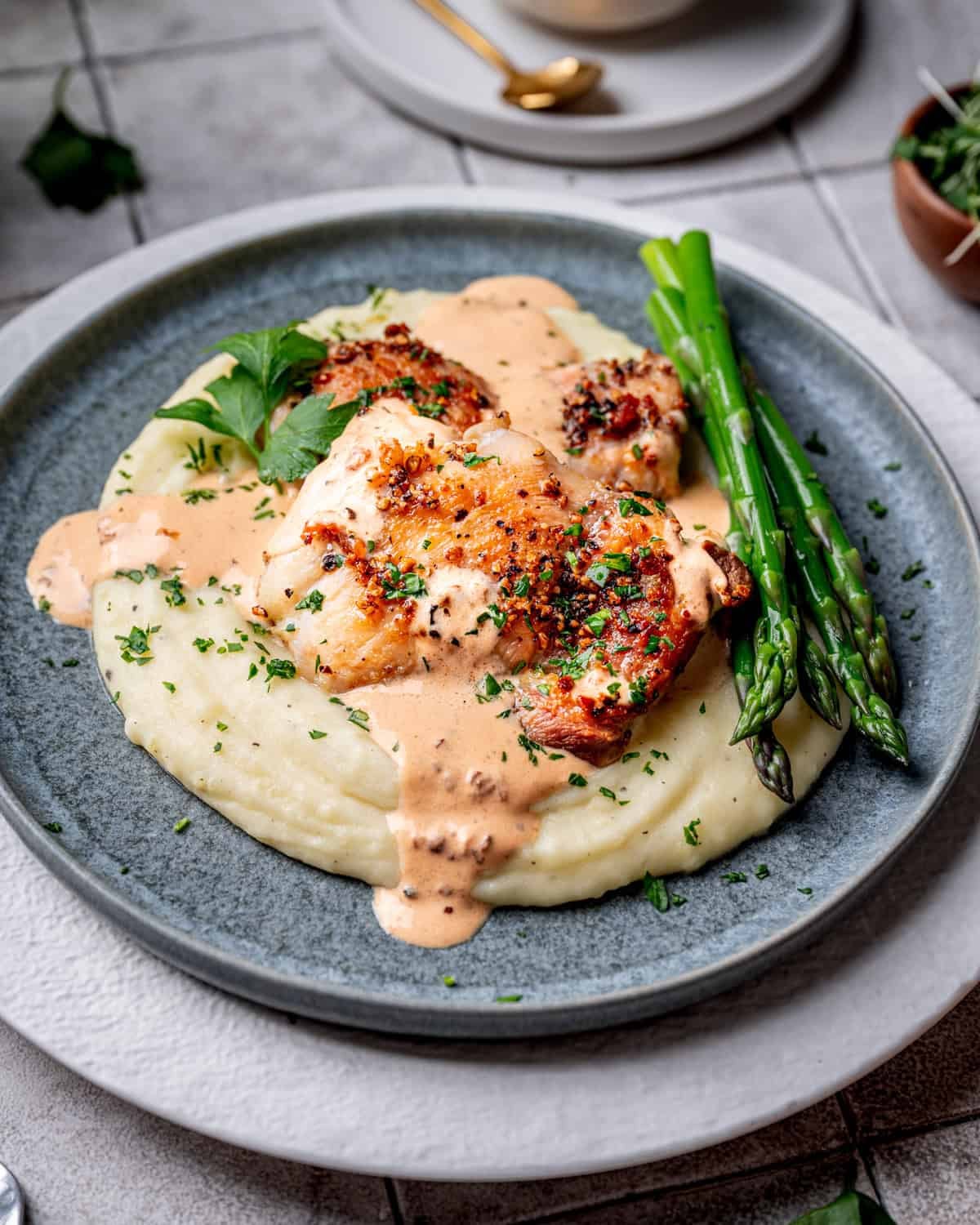
For the chicken: The surface should be deeply golden where it touched the pan, with the peppercorns toasted and fragrant but not burnt. If the pepper starts to blacken and smell sharp or pungent, your heat is too high. When you press the chicken with your finger, it should feel firm but still have a little give. If it feels rock-hard, it's overcooked. The internal temperature should hit 180°F. If you don't have a meat thermometer, cut into the thickest part of one thigh. The meat should be opaque all the way through with clear juices, not pink or translucent.
For the sauce: It should be thick enough to cling to the chicken without sliding off, but not so thick that it looks gloppy or pasty. When you dip a spoon in and run your finger across the back, the line should hold for a second before the sauce runs back together. Taste it before you add the chicken back in. The flavor should be bold and peppery, with a creamy richness and a slight tang from the crème fraîche. If it tastes flat, add a tiny pinch of salt. If it tastes too sharp, whisk in a little more cream.
Variations and Substitutions
Need to swap something out? Here is what we recommend:
- Chicken thighs: You can easily use chicken breasts here. Pound them out to even thickness (¾" works well) and cook them for 4-5 minutes a side until the internal temp reaches 165°F.
- Ghee: If you don't have ghee, clarified butter works the same way. Regular butter will burn so go with a neutral oil before using whole butter.
- Peppercorns: If you don't have white or green peppercorns, just use all black. The flavor will be a little less complex, but it'll still be fabulous.
- Shallot: A yellow onion is a good alternative if you can't find shallots.
- Brandy: Cognac is traditional, but bourbon or whiskey, or even a dark rum will work. Each one will change the flavor slightly. Bourbon adds sweetness and vanilla. Whiskey can be a little smokier and rum will add a nice tropical, deep sweet flavor.
- Crème Fraîche: You can use sour cream as a substitute.
Here are a few ways to change up this dish:
- Swap the protein: Pork chops or medallions work beautifully with this method. Use boneless chops that are about ¾ inch thick and cook them the same way. The timing will be similar. Turkey cutlets also work, but they cook faster, so watch them closely.
- Skip the flambé: If you're nervous about lighting the brandy, just add it to the pan and let it simmer for 2 to 3 minutes to cook off the alcohol. You'll lose a little bit of the caramelized depth, but the sauce will still taste good.
- Make it lighter: Swap half the heavy cream for more chicken stock. The sauce will be thinner and less rich, but it'll still cling to the chicken.
- Add mushrooms: Sauté sliced cremini or shiitake mushrooms in the pan after you cook the chicken and before you add the shallot. They'll add an earthy, umami depth that pairs well with the pepper and cream.
Storage
Leftovers keep well, but you have to reheat them carefully or the chicken will dry out and the sauce will break.
How to store leftover Chicken au Poivre:
- Let the chicken cool completely, then transfer it and the sauce to an airtight container. Store in the fridge for up to 3 days.
How to reheat leftover Chicken au Poivre:
- Reheat it gently in a skillet over low heat. Add a splash of chicken stock or cream to the sauce to loosen it up, then add the chicken and cover the pan. Let it warm through slowly, spooning the sauce over the top occasionally. This will take about 5 to 7 minutes. The goal is to warm it without cooking it further.
- If the sauce looks broken after reheating, whisk in a tablespoon of cold cream off the heat. That'll usually bring it back together.
Can you freeze leftover cooked chicken?
- This is not recommended for this dish.
Turn Leftovers into a New Dish
Turn it into a pasta dish: Slice the chicken thinly and toss it with the sauce, cooked fettuccine or pappardelle, and a handful of fresh parsley. Add a little pasta water if the sauce needs loosening. Top with grated Pecorino Romano.
Make a French-style sandwich: Slice the chicken and layer it on a toasted baguette with arugula, thinly sliced red onion, and a smear of Dijon mustard. Drizzle some of the sauce over the top if you have extra.
Use it in a grain bowl: Slice the chicken and serve it over farro, quinoa, or wild rice with roasted vegetables and a handful of greens. The sauce acts as the dressing.
Turn it into a pot pie filling: Dice the chicken, mix it with the sauce, some sautéed mushrooms, and peas. Pour it into a baking dish, top with puff pastry, and bake until golden.
Top Tips from the Pros
- Don't crowd the pan. If your skillet isn't big enough for all the chicken thighs to sit flat without touching, cook them in two batches. Crowding drops the pan temperature and the chicken will steam instead of sear. You need direct contact with the hot surface to get the crust.
- Whisk the sauce constantly for the first minute after adding the dairy. This prevents the crème fraîche from curdling and helps the sauce emulsify into a smooth, cohesive texture instead of looking separated.
- Finish with a small knob of cold butter. This isn't in the recipe, but if you want the sauce to look glossy and taste even richer, whisk in a tablespoon of cold butter right before you add the chicken back in. It's a classic French technique that gives the sauce a silky, restaurant-quality finish.
What to serve with Chicken au Poivre
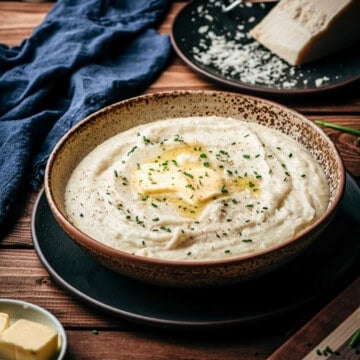
Keep them simple. The chicken and sauce are the stars. Roasted potatoes, mashed potatoes, or a grain like rice or barley will soak up the sauce.
A simple green salad with a sharp vinaigrette, green beans, or sautéed asparagus will add freshness.
What Wines To Drink with Chicken au Poivre
Wine pairings:
A white Burgundy or other Chardonnay with good acidity and a little oak will mirror the creaminess of the sauce without overwhelming it.
If you want red, go with a Pinot Noir. It's light enough that it won't clash with the cream, but it has enough fruit and earthiness to hold up to the pepper. A Côtes du Rhône also works if you want something a little bolder. Avoid anything too tannic or too sweet.
Cocktails:
A classic dry martini or a French 75 would both work. The juniper in a martini complements the herbal notes from the thyme and green peppercorns. A French 75 has the bubbles and citrus to cut through the fat.
FAQ
"Au poivre" simply means "with pepper."
Both thighs and breasts are good for the dish. However, chicken thighs have more flavor and are less prone to drying out when cooking so we prefer them.
You can! Whisky or bourbon, and dark rum are acceptable substitutes.
Related
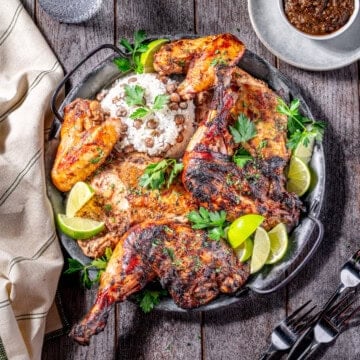
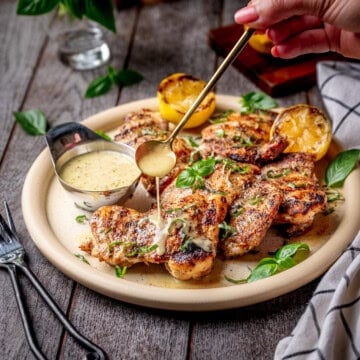
Looking for other chicken recipes? Try these:

Pairing
These are our favorite side dishes to serve with chicken au poivre:


📖 Recipe

Weeknight Chicken au Poivre in Brandy Peppercorn Cream Sauce
Equipment
- Large stainless steel skillet or cast iron skillet
- Mortar and pestle or zip top bag and rolling pin to crush the peppercorns
- Long Lighter or long matchsticks to flambé the brandy
- whisk
Ingredients
- 4-6 boneless skinless chicken thighs
- 1 teaspoon kosher salt
- 1 Tablespoon white peppercorns coarsely ground
- 1 Tablespoon black peppercorns coarsely ground
- 2 tablespoon Ghee or clarified butter
- ½ small shallot finely chopped
- 2 Tablespoons brandy
- ½ cup creme fraiche
- ½ cup chicken stock
- 2 Tablespoons heavy cream
- ½ teaspoon Dijon mustard
- 1 teaspoon fresh chopped thyme
- 1 teaspoon ground green peppercorns
- Parsley finely chopped for garnish

Instructions
Prep the Chicken
- Pat the chicken thighs dry with paper towels. Make sure the chicken is of even thickness. If not, gently pound the chicken thighs until they're around ¾" thick all the way across. Sprinkle both sides of the chicken with salt, then coat the chicken in the coarsely ground black and white pepper. Press the pepper into the chicken so it sticks.4-6 boneless skinless chicken thighs, 1 teaspoon kosher salt, 1 Tablespoon white peppercorns, 1 Tablespoon black peppercorns
Cook the Chicken
- Heat a large skillet (cast iron or stainless) over medium heat and add the ghee. Once it's melted and shimmering, lay the chicken thighs in the pan and cook for about 6-7 minutes per side. The chicken should be cooked all the way through at this point and nicely browned on both sides (internal temp should be around 180°F). Remove the chicken from the skillet to a plate and cover with foil.2 tbsp Ghee
Make the Sauce
- Dab the pan with a paper towel to remove excess ghee if necessary, but do not wipe the pan down completely. Add the minced shallot to the pan and cook, stirring, for about 2 minutes, until the shallot is soft and translucent but not brown.½ small shallot
Flambé the Brandy
- Turn off the heat and allow the pan to cool slightly (about 1 minute). Carefully pour in the brandy from a measuring cup (NEVER POUR FROM THE BOTTLE). If you're using a gas stove, the fumes might ignite on their own when you turn the heat back on. If you're using an electric cooktop, use a long lighter if the brandy does not light on its own to carefully ignite the brandy. The flames will shoot up and then die down as the alcohol burns off. This takes about 10-20 seconds.2 Tablespoons brandy
- Alternatively, if you do not want to light the brandy on fire, you can allow the brandy to simmer in the pan for a few minutes to cook off the alcohol.
Finish the Sauce, Plate and Serve
- Once the flames are completely out, turn the heat back to medium-low. Add the crème fraîche, chicken stock, heavy cream, dijon mustard, fresh thyme, and green pepper. Whisk everything together, scraping up the browned bits (fond) stuck to the bottom of the pan.½ cup creme fraiche, ½ cup chicken stock, 2 Tablespoons heavy cream, ½ teaspoon Dijon mustard, 1 teaspoon fresh chopped thyme, 1 teaspoon ground green peppercorns
- Let the sauce simmer gently on low for about 10 minutes, whisking occasionally. It should thicken to the point where it coats the back of a spoon. If it's too thick, add a splash of chicken stock. If it's too thin, let it simmer a little longer.
- Taste for seasoning and add extra salt to taste if desired, then add the chicken back to the dish and coat in the sauce. Plate and sprinkle with finely chopped parsley.Parsley
Notes
- Chicken thighs: You can easily use chicken breasts here. Pound them out to even thickness (¾" works well) and cook them for 4-5 minutes a side until the internal temp reaches 165°F.
- Ghee: If you don't have ghee, clarified butter works the same way. Regular butter will burn so go with a neutral oil before using whole butter.
- Peppercorns: If you don't have white or green peppercorns, just use all black. The flavor will be a little less complex, but it'll still be fabulous.
- Shallot: A yellow onion is a good alternative if you can't find shallots.
- Brandy: Cognac is traditional, but bourbon or whiskey, or even a dark rum will work. Each one will change the flavor slightly. Bourbon adds sweetness and vanilla. Whiskey can be a little smokier and rum will add a nice tropical, deep sweet flavor.
- Crème Fraîche: You can use sour cream as a substitute.
- How to store leftover Chicken au Poivre:
- Let the chicken cool completely, then transfer it and the sauce to an airtight container. Store in the fridge for up to 3 days.
- How to reheat leftover Chicken au Poivre:
- Reheat it gently in a skillet over low heat. Add a splash of chicken stock or cream to the sauce to loosen it up, then add the chicken and cover the pan. Let it warm through slowly, spooning the sauce over the top occasionally. This will take about 5 to 7 minutes. The goal is to warm it without cooking it further.
- If the sauce looks broken after reheating, whisk in a tablespoon of cold cream off the heat. That'll usually bring it back together.
- Can you freeze leftover cooked chicken?
- This is not recommended for this dish.
- Don't crowd the pan. If your skillet isn't big enough for all the chicken thighs to sit flat without touching, cook them in two batches. Crowding drops the pan temperature and the chicken will steam instead of sear. You need direct contact with the hot surface to get the crust.
- Whisk the sauce constantly for the first minute after adding the dairy. This prevents the crème fraîche from curdling and helps the sauce emulsify into a smooth, cohesive texture instead of looking separated.
- Finish with a small knob of cold butter. This isn't in the recipe, but if you want the sauce to look glossy and taste even richer, whisk in a tablespoon of cold butter right before you add the chicken back in. It's a classic French technique that gives the sauce a silky, restaurant-quality finish.
Nutrition


Leave a Reply