
Wine-braised short ribs, rich butter sauces, boozy desserts, and flavor bombs you can make tonight. That half bottle sitting in your fridge? It's about to become the secret weapon in your cooking arsenal with these delicious recipes.
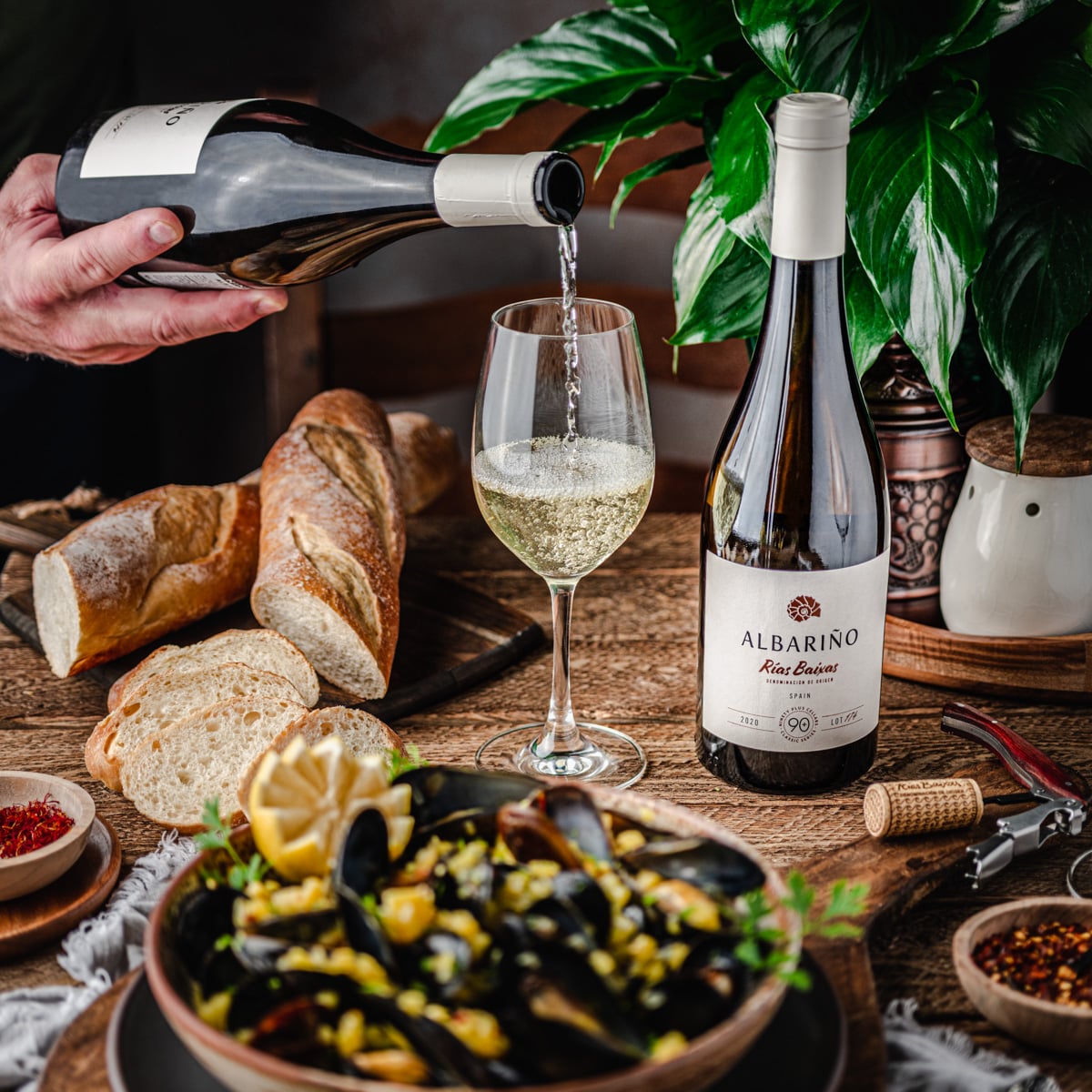
Maybe it's a leftover red wine you didn't finish, or a white from the weekend that's lost its chill appeal. You know you're not going to drink that half bottle of wine, but pouring it down the drain feels wasteful. The good news? That leftover wine is one of the most underrated ingredients hiding in your kitchen right now. It's a great way to deglaze pans, build flavor in braises or a hearty stew, sweeten desserts, and punch up sauces in ways that water and stock just can't match.
Cooking with wine isn't about fancy techniques or culinary school secrets. It's about using what you have to make what you're already cooking taste better. Whether it's red, white, rosé, or even sparkling, leftover wine brings acidity, depth, and complexity to both savory and sweet dishes.
This guide walks you through 25 tested recipes from Cooking with Wine Blog that put every drop to work.
Jump to:
- Why Leftover Wine Works So Well in Cooking
- Red Wine Recipes That Hit Every Time
- Leftover White Wine Recipes for Lighter, Brighter Dishes
- Rosé and Sparkling Wine Recipes You'll Actually Use
- Fortified Wine and Sake Recipes
- Show-stopping Desserts That Use Wine Better Than Most Cocktails
- Common Mistakes When Cooking with Leftover Wine
- How to Store Leftover Wine for Cooking
- Top Tips for Storing Leftover Wine
- Related
Why Leftover Wine Works So Well in Cooking
Old wine that's been open for a couple days that you wouldn't want to sip anymore can still be incredible in the pan. Once heat hits, alcohol evaporates and what's left behind is concentrated flavor: fruity, tannic, acidic, or sweet depending on the type. That's the magic. It's about how wine interacts with fat, salt, and heat to build layers you can't get from water or stock.
Here's what wine does in the kitchen:
- Deglazes pans and lifts up all those caramelized bits stuck to the bottom after searing meat
- Tenderizes proteins, especially red meat, in marinades by breaking down muscle fibers with natural acidity
- Adds body to sauces without cream or butter
- Balances sweetness in reductions and glazes
- Boosts fruit flavors in desserts and compotes made from fresh fruit
Even wine that's been open for a week still has enough punch to make a difference. If it smells like vinegar, then it's too late and don't use it. But if it just tastes a little flat? Perfect for cooking.
The acidity is what makes leftover wine so versatile. It cuts through richness, brightens tomato-based dishes, and helps emulsify pan sauces. And because the alcohol cooks off, you're left with pure flavor and none of the boozy bite.
Red Wine Recipes That Hit Every Time
Red wine loves fat, salt, and slow heat. It's built for braising, deglazing, and adding backbone to rich dishes. The tannins in red wine soften during cooking and turn into this deep, savory base that makes everything taste like it simmered all day.
- Red Wine Braised Short Ribs: Fall-apart tender beef in a glossy, wine-reduced sauce
- Coq au Vin: Classic French chicken braised in red wine with mushrooms and bacon
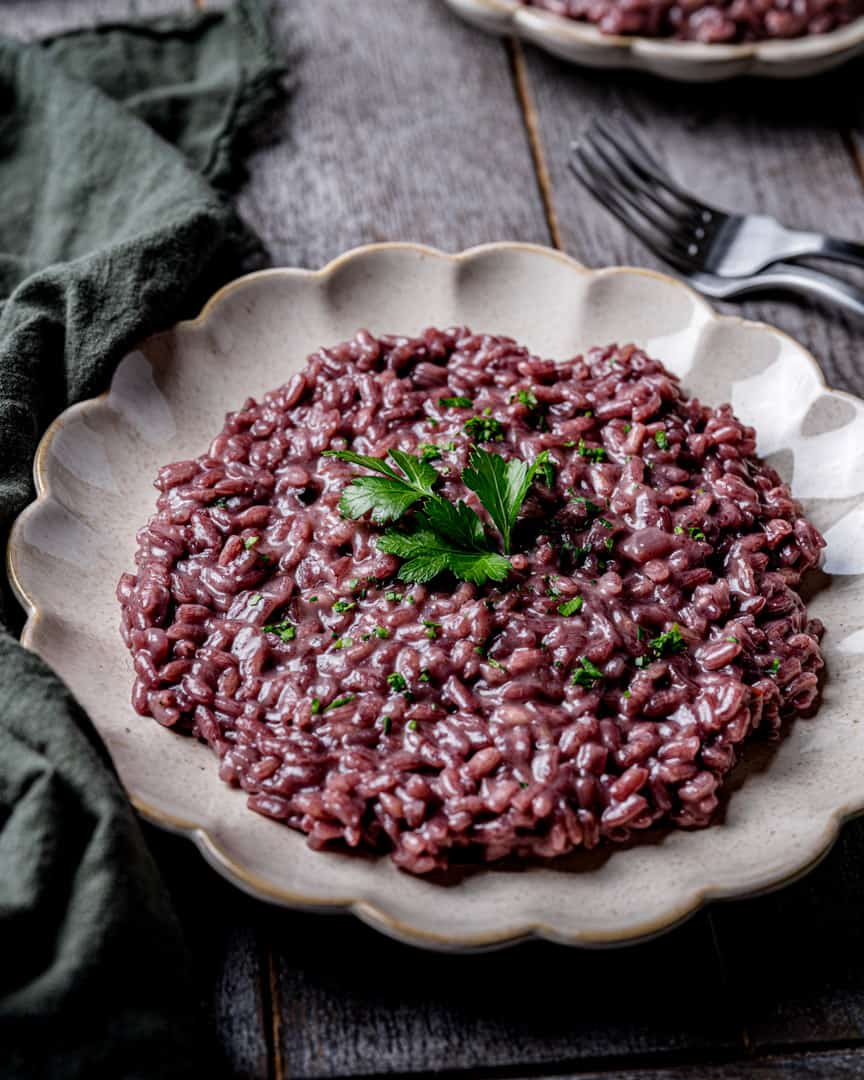
- Red Wine Parmesan Risotto: A creamy risotto that is rich from red wine and parmesan, and surprisingly easy to pull off
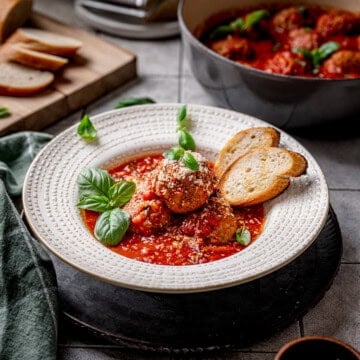
- Classic Italian Meatballs in Tomato Sauce (Polpette al Sugo): The ultimate wine-forward dish with tender meatballs, tomatoes, and herbs
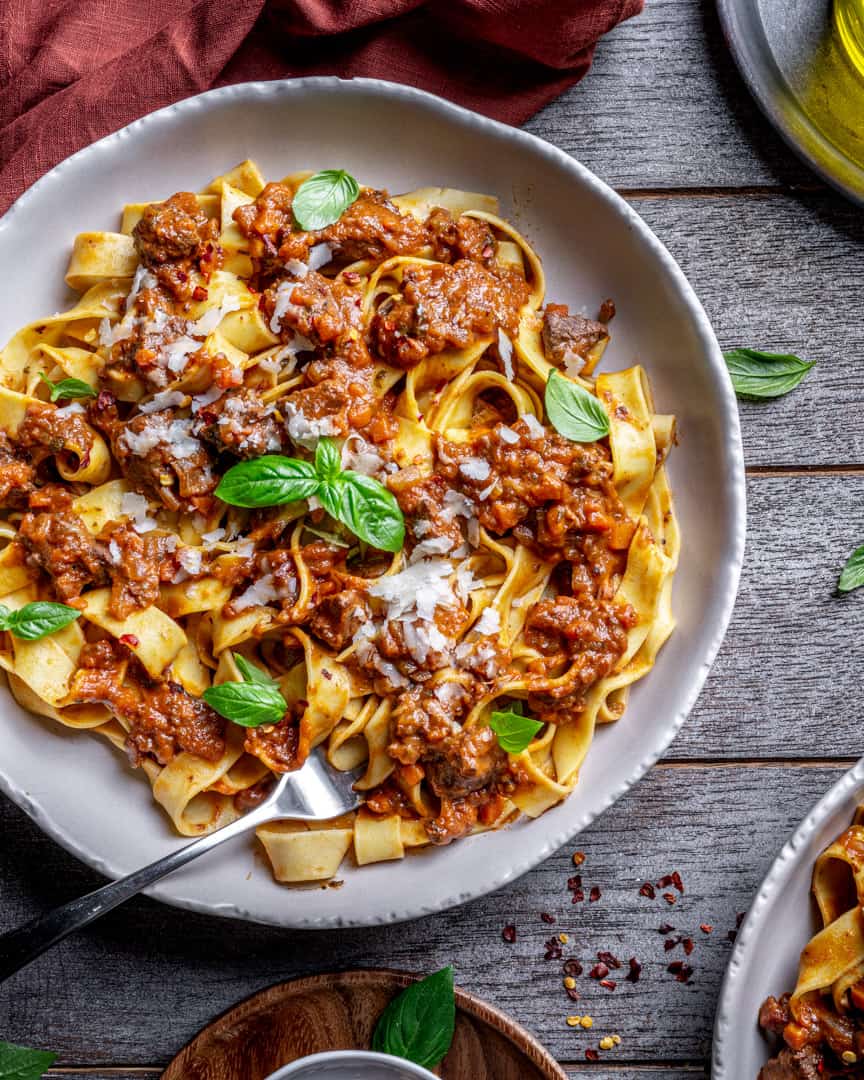
- Slow Braised Beef Ragù with Red Wine (Italian Comfort Food): Deepens the tomato base and adds complexity to the meat
- Lamb Shanks in Red Wine: Slow-cooked until the meat slides off the bone
- Four Cheese Ravioli with Fresh Cherry Tomato Sauce: A simple, elegant sauce to perfectly complement a cheese ravioli
- Spicy Italian Sausage Sauce with Cavatelli Pasta: Moist, rich, and slightly boozy in the best way
The trick with red wine is not to rush it. Let it reduce by at least half so the raw alcohol taste cooks off and the flavors concentrate. If you're braising, add it early. If you're deglazing, let it bubble hard for 30 seconds before adding stock or cream.
Use what you have. Merlot, Cabernet, Pinot Noir, Malbec, and other dry red blends all work. You're cooking it down, so expensive bottles are wasted here. Save the good stuff for drinking.
Leftover White Wine Recipes for Lighter, Brighter Dishes
White wine is your go-to for seafood, poultry, cream sauces, and anything that benefits from a hit of acidity without heaviness. It deglazes beautifully, adds brightness to butter sauces, and plays well with garlic, lemon, and herbs.
- Italian White Ragu with Veal and Pork (Ragu Bianco): Rich, tender white wine meat sauce without tomatoes
- Mussels in Fennel Saffron Wine Sauce: Aromatic, briny, and made for crusty bread
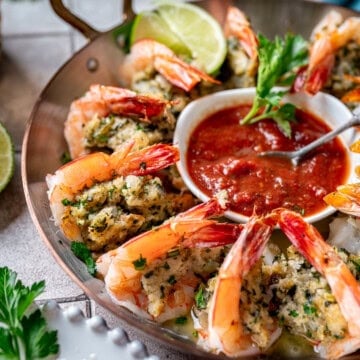
- Lobster and Shrimp Mac and Cheese (Restaurant Quality): Decadent seafood meets creamy comfort food with a white wine four cheese sauce
- Blackened Salmon Penne Primavera (Worth Making Tonight): Light, fresh, spring pasta dish that is packed with vegetables in a vibrant white wine sauce
- White Wine Garlic Butter Sautéed Oyster Mushrooms: Simple, elegant side that pairs with everything
- Chicken Piccata with Caper Lemon Butter Sauce: Pan-seared chicken cutlets in a tangy white wine sauce
- Butternut Squash Ravioli with Rosemary Cream Sauce: Rich but not heavy, perfect for fall
- Mustard Crusted Rack of Lamb: One of our favorite recipes for lamb paired with a minty white wine beurre blanc (butter sauce) that lightens up a typically heavy dish

White wine works fast. You don't need long simmers. A quick reduction in the pan while your protein rests is usually enough. The acidity cuts through butter and cream, so the sauce doesn't feel heavy even when it's rich.
Sauvignon Blanc, Pinot Grigio, and Chardonnay all work. Avoid anything too oaky unless you want that flavor in the dish. If the wine tastes sweet, it'll cook down sweeter, so adjust seasoning at the end.
Rosé and Sparkling Wine Recipes You'll Actually Use
Rosé and sparkling wine don't get enough credit in the kitchen. Rosé sits between red and white in flavor and works beautifully in recipes that want a little fruitiness without the tannins. Sparkling wine adds lightness and acidity to batters, glazes, and poaching liquids.
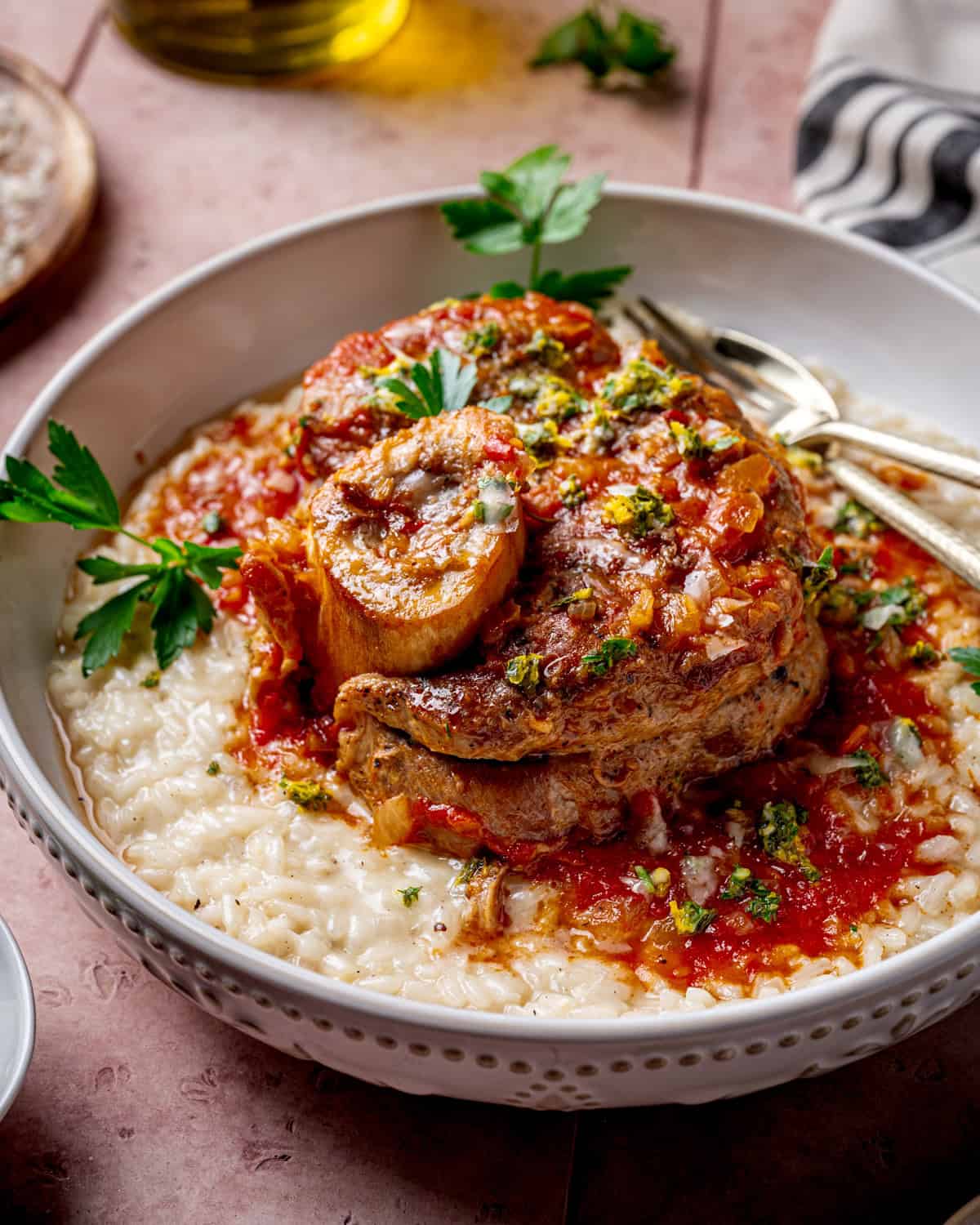
- Braised Veal Shanks with Gremolata (Ossobuco Recipe): Tender, slow-braised veal shanks in rosé wine with a bright, herbaceous gremolata.
- Lobster Pappardelle Pasta with Champagne Cream Sauce: A luxurious pasta dish featuring fresh lobster and a delicate, rich champagne cream sauce.
- Roasted Peach Crostini with Whipped Blue Cheese Ricotta: Sweet rosé roasted peaches and savory whipped blue cheese ricotta on crispy crostini.
- Savory Champagne Poached Pears: Pears gently poached in champagne with savory spices, perfect as an appetizer or light side.
Use rosé where you'd use white wine but want a hint of berry or melon flavor. It's great with chicken, pork, and seafood. Sparkling wine works in anything that benefits from extra acidity and a touch of sweetness, like batters for tempura or a glaze for roasted vegetables.
Don't stress about losing the bubbles. Once it's in the pan, carbonation doesn't matter. What you're after is the bright, clean acidity that sparkling wines bring.
Fortified Wine and Sake Recipes
Fortified wines like Port, Vermouth and Marsala bring a unique depth and sweetness to both savory and sweet dishes, while sake adds a subtle umami and brightness, particularly to Asian-inspired cuisine.
- Pan-Seared Duck with Cherry Port Sauce: Crispy duck breast served with a rich, fruity port wine sauce
- Chicken with Mushroom Marsala Sauce (Pollo al Marsala): Classic Italian-American dish featuring pan-fried chicken cutlets in a savory mushroom and Marsala wine sauce
- Martini Chicken with Homemade Green Olive Tapenade: Chicken cooked with gin and vermouth, served with a bright, briny green olive tapenade
- Easy Roasted Black Cod (Butterfish) with Miso Butter Sauce: Flaky black cod roasted to perfection with a savory, umami-rich miso butter sauce made with sake
- Lobster and Shrimp Mac and Cheese (Restaurant Quality): The lobster and shrimp in this delicious steakhouse mac and cheese is first poached in a liquid with vermouth
Quick Wine-Based Sauces and Reductions
This is where leftover wine really shines and is a great addition to almost any dish. A good pan sauce takes five minutes and transforms a basic protein into delicious dish that tastes special. Wine is the foundation.
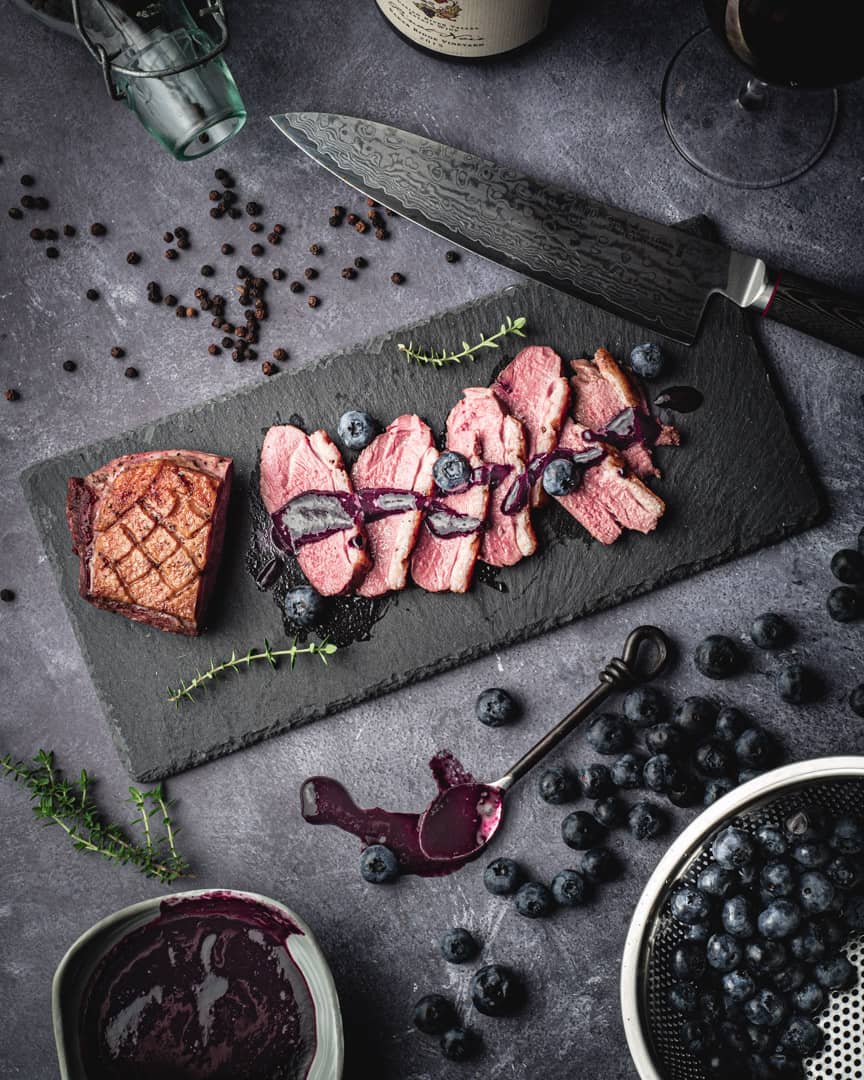
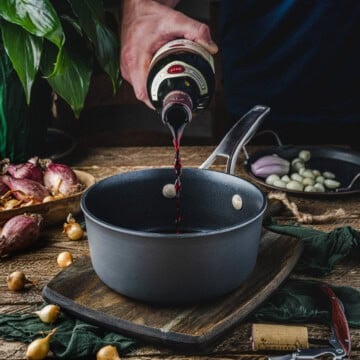
Red Wine Reduction - Reduce red wine with shallots, thyme, and a splash of balsamic until it's a syrupy consistency. Finish off heat with some cold butter. This rich sauce is perfect to pour over steak, lamb, or roasted mushrooms. Try this Blueberry Thyme Red Wine Reduction for a unique fruit forward sauce that is fantastic with duck, lamb and gamey meats.
White Wine Butter Sauce - Deglaze the pan after searing fish or chicken with white wine, reduce by half, then whisk in cold butter one tablespoon at a time. Add lemon juice and fresh herbs.
White Wine Cream Sauce - Use any white wine, rosé or sparkling wine to cook mushrooms and add a little garlic and a touch of cream to finish it off. This works especially well over lean white meat dishes such as pork, chicken, or veal.

The key to any wine sauce is the reduction. You want to cook off the raw alcohol and concentrate the flavor. Taste as you go. If it's too acidic, add a pinch of sugar. If it's too sweet, hit it with lemon juice or a splash of vinegar.
Never add wine at the end of cooking and expect it to taste good. It needs time and heat to mellow.
Show-stopping Desserts That Use Wine Better Than Most Cocktails
Wine in dessert isn't just about getting tipsy on cake. It adds moisture, complexity, and a subtle boozy note that makes everything taste more grown-up. Red wine works with chocolate and dark fruit. White wine plays well with citrus, stone fruit, and custards. Leftover wine isn't just for savory dishes!
- Blood Orange Elderflower Rosé Granita: A light, refreshing frozen dessert with a delicate floral and citrus flavor. Add dehydrated orange slices for add flare!
- Mulled Wine Mini Cakes with Brandy Butter Cream: Spiced, individual cakes infused with mulled wine and topped with a rich brandy butter cream.
- Fig and Plum Pavlova: A stunning meringue dessert topped with fresh figs, plums, and a hint of wine for added depth.

Most of the alcohol cooks off during baking or poaching, but you're left with the flavor. If you're making a compote or glaze, reduce the wine first so it doesn't water down the dish. For cakes and batters, use it as you would any liquid.
Wine-based desserts hold up well in the fridge and often taste better the next day once the flavors marry.
Common Mistakes When Cooking with Leftover Wine
Using wine in cooking is simple, but there are a few things that can throw off a dish if you're not paying attention.
- Don't cook with wine you wouldn't drink. If it tastes like vinegar or smells off, it's going to make your food taste off. Flat is fine but spoiled is not.
- Don't add wine at the end and call it done. Raw wine tastes harsh. It needs time to cook down and mellow. Adding wine at the end will make your sauce taste just like wine and that's not the goal!
- Don't use too much. More wine doesn't mean more flavor. It means more acidity and more liquid. Start with a half cup, reduce it, then taste. You can always add more.
- Don't skip the salt. Wine is acidic, and acidity needs salt to balance it out. If your sauce tastes sharp or thin, it probably just needs seasoning.
- Don't use sweet wine unless the recipe calls for it. A sweet Riesling or Moscato will cook down sweeter. If you want savory, stick to dry wines.
Wine is a flavor amplifier, not a crutch. It should support the dish, not overpower it. When in doubt, go light and build up.
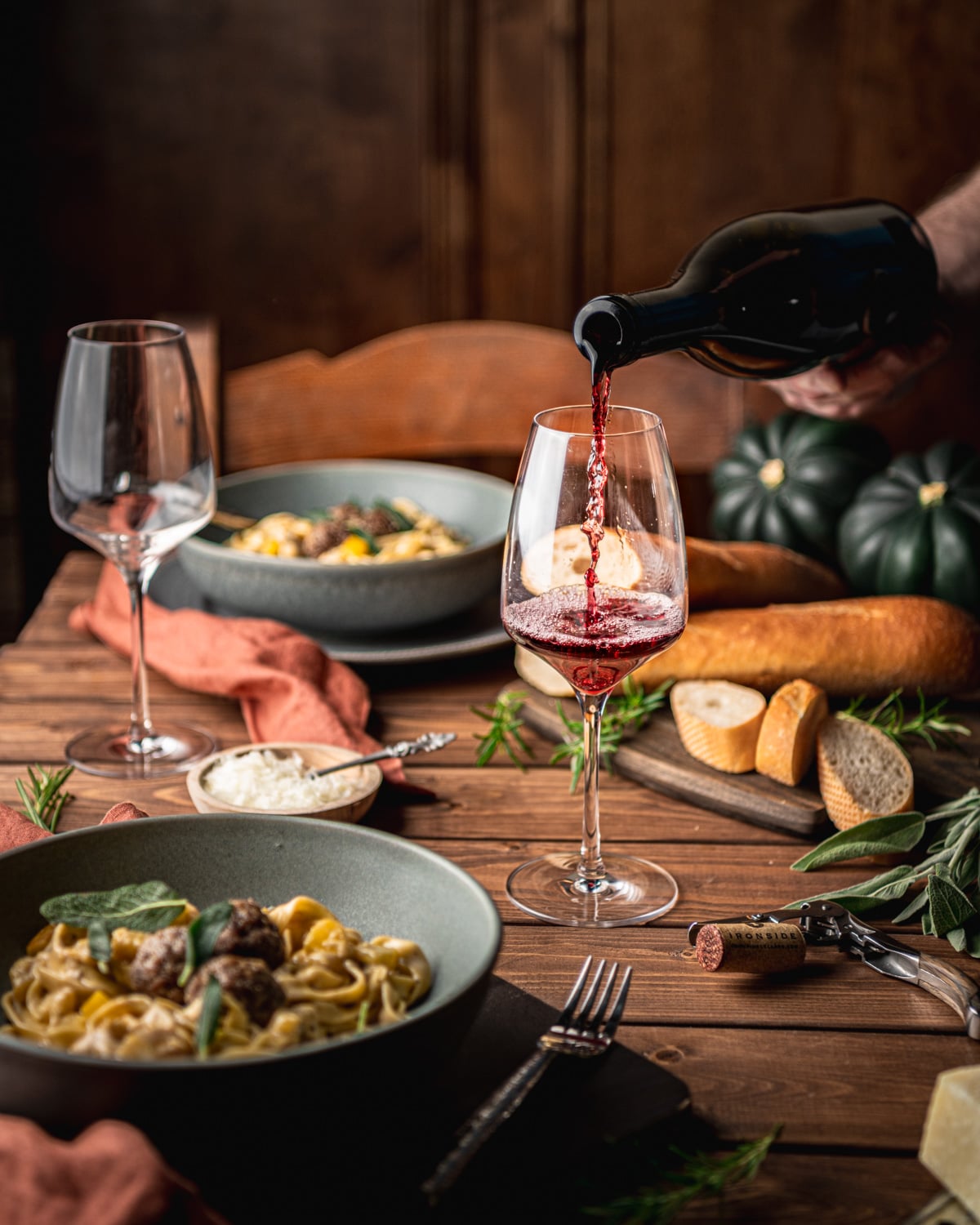
How to Store Leftover Wine for Cooking
You don't need to finish the bottle tonight or toss it tomorrow. Leftover wine keeps longer than most people think, especially if you're using it for cooking.
If you cook with wine regularly, keeping a whole bottle or two in the fridge specifically for cooking makes sense. You're not wasting the good stuff, and you always have it on hand when a recipe calls for it.
Top Tips for Storing Leftover Wine
Refrigerate everything. Red, white, rosé, sparkling. Cold slows oxidation. Even red wine lasts longer in the fridge than on the counter.
Recork it tight. If you don't have the original cork, use a wine stopper. The less air in the bottle, the longer it stays usable.
Freeze it in an ice cube tray. Pop out a cube or two when you need to deglaze a pan. This works especially well wines stay good for cooking for up to two weeks in the fridge. If it still smells like wine and not vinegar, you're fine. Even wine that's lost its drinkability can still perform in the kitchen.

Leftover wine isn't a kitchen afterthought. It's a pantry staple that does more than most ingredients sitting in your cupboard. Once you start cooking with it regularly, you'll wonder why you ever poured it out. These 25 recipes prove that what's left in the bottle can be just as valuable as what you drank from the glass.
Whether you're braising short ribs in red, deglazing shrimp in white, or poaching pears in rosé, the results speak for themselves. Better flavor, more depth, and dishes that taste like you put in way more effort than you actually did.
Related
Looking for more recipes? Try these:


Leave a Reply